
Should You Build a Separate Space for Water Closet in Your Bathroom?
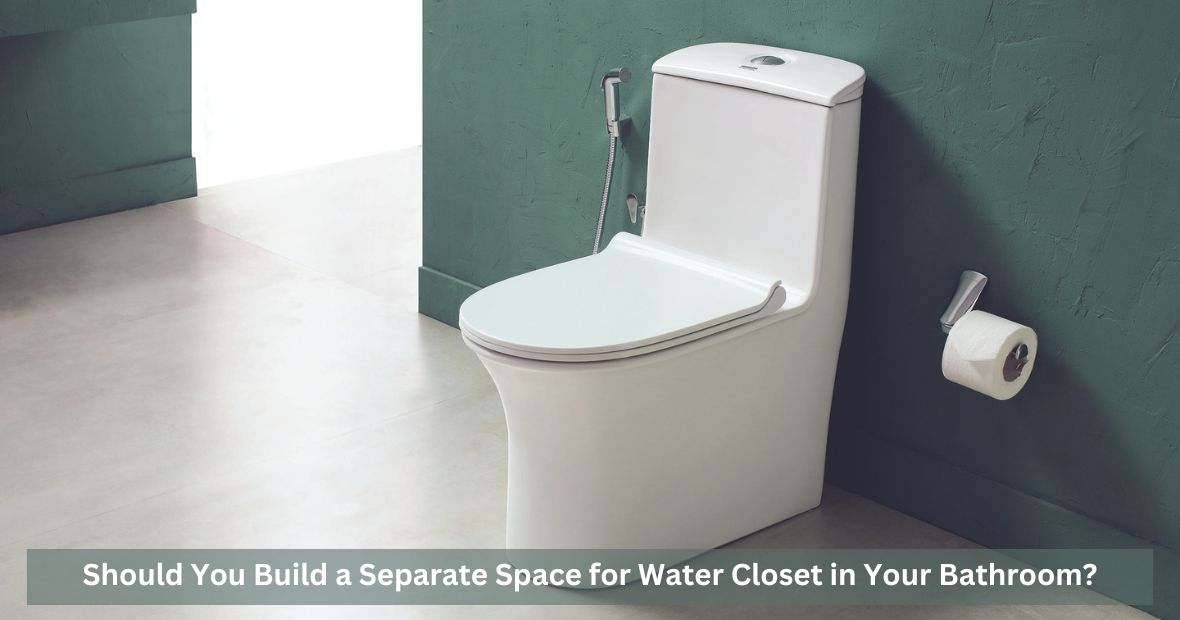
Modern bathroom designs in India have been inspired for a long time by Western concepts. However, gradually even Western architecture is absorbing some Indian values. The concept of a bathroom closet or a separate walled space for the water closet or commode has been a popular design.
Though lost for a while with multi-level housing, the trend is returning with the latest architecture and the benefits of having a separate room for the commode.
What is a Bathroom Closet?
Bathroom closet is a returning trend for Indian households, as traditional houses usually had a separate room for a water closet. The concept is simple and puts the water closet separately in a different room which is most likely connected to the bathroom through a door.
This separation ensures better hygiene and bathroom utility as the whole bathroom is not occupied because of the water closet. Plus, you can install exhaust in the bathroom closet to push the smell out of the bathroom.
You can have a bathroom closet fully equipped with a commode, cistern, small wash basin, and towel rack, or install only the commode. Your choices will depend on your budget and the space available for the closet.
Pros & Cons of Building a Bathroom Closet
Building a bathroom closet requires space and an additional budget. So, understand the advantages and disadvantages before proceeding.
Pros of building a separate room for the water closet:
- Privacy: A dedicated water closet provides enhanced privacy, allowing the toilet to be used independently from other bathroom activities.
- Odour Containment: Isolating the toilet in a separate room helps contain odours, keeping the rest of the bathroom fresher.
- Multi-User Convenience: With a separate water closet, multiple people can use different bathroom functions simultaneously, enhancing overall bathroom usability.
Cons of building a separate room for the water closet:
- Space Constraints: Creating a separate water closet requires additional space, which may not be feasible in smaller bathrooms.
- Cost: Building a separate room involves extra construction and materials, potentially increasing the overall bathroom renovation cost.
- Ventilation: Proper ventilation must be ensured in the water closet room to prevent moisture build-up and potential mould growth.
Bathroom Closet Design Ideas
You can build the bathroom closet in your home in one of the two possible ways – separate from the bathroom, or as a separate room within the bathroom. While your choice of bathroom closet design will depend a lot on the space availability and your home design.
Building a separate bathroom closet means you will have two bathroom doors opening within your house instead of one. Also, you may have to install a wash basin and complete bathroom accessories within the closet room.
However, attaching the bathroom closet to the bathroom, ensures that the closet door does not open directly into the home. Also, you don’t have to have a wash basin in the closet room.
Type of Water Closet (Commode) for a Bathroom Closet
Depending on the space available and your preference for the design and features of the water closet, you can choose to install one of the following into your bathroom closet:
- Wall Hung Water Closet with Concealed Cistern: This one is a choice with minimal protrusions and a modern elegant appearance. The cistern is installed within the wall and remains invisible. The whole water closet takes up much less space than any other type of commode.
- Floor-Mounted Western Water Closet: This can be an omni suite or a coupled closet and can be mounted on the floor. These units are easiest to install and can work with most traditional plumbing.
- EWC: EWC or European water closets are fixed on the floor, and you have a choice of design to mix Indian and European styles. This closet requires a separate cistern.
How to Select the Best Commode for Bathroom Closet?
Selecting the best commode for your bathroom involves considering several key factors to ensure it meets your needs and preferences:
- Size and Space: Measure the available space in your bathroom to determine the appropriate commode size. Consider the distance from walls and other fixtures for comfortable usage.
- Type: Choose between a one-piece or two-piece commode. One-piece commodes are easier to clean and have a sleeker appearance, while two-piece commodes are more affordable and easier to transport.
- Flushing Mechanism: Look for a commode with an efficient flushing mechanism and 360-degree symphonic flushing. Dual-flush options offer water-saving capabilities.
- Comfort and Height: Consider the height and design of the seat for optimal comfort, especially for elderly or taller users. Some commodes offer a chair-height design for easier sitting and standing.
- Hygiene & Maintenance: Commodes with a smooth surface and minimal crevices make cleaning easier. Johnson Bathrooms offers rim-free water closets with germ-free coating. The closet does not have hidden space on the inside and remains germ-free throughout life.
- Budget: Ultimately your choice will depend a lot on the budget you have set aside for building a separate bathroom closet. If you are looking to create a whole new plumbing setup to accommodate the best design, wall-hung closets with concealed cisterns are the best choice.
But if you want something easy to install and soothes your eyes, omni suites will be a better choice.
Explore Water Closets at Johnson Bathrooms
Johnson bathroom offers a wide range of options for omni suites and wall-hung water closets for your most modern bathrooms. Johnson’s Xeno, Archie, and Dalena, wall-hung closets feature a rim-free design, improving hygiene and water savings while flushing.
Here are the features you can look for while searching for the best western water closet at Johnson Bathrooms:
- Syphonic Flushing
- 360-degree Flushing
- Water Savings
- Germ-Free
Johnson Bathroom’s germ-free technology is one of the brand’s first patents in the area of sanitaryware and bathroom fittings. Most omni suites and wall-hung closets at Johnson feature soft-close detachable seat cover that makes installation easy.
For design suggestions and product discovery, you can explore the website or contact the experts at Johnson. You can also visit the Johnson’s Experience Centre to see the product first-hand before buying.
FAQs
1. Which toilet is better, Indian or Western?
Ans. The choice between an Indian toilet (squat toilet) and a Western toilet (sitting toilet) depends on cultural preferences, comfort, and familiarity. Indian toilets are common in some parts of Asia and are known for their hygiene and water-saving advantages. Western toilets are widespread in many countries and are preferred for their convenience and ease of use. Ultimately, it's a matter of personal preference and what individuals are accustomed to. At H&R Johnson you can find both Western as well as Indian-style commodes (called Orrisa Pan).
2. Which type of bathroom closet is best?
Ans. The best type of water closet (WC) depends on factors such as water efficiency, flushing power, ease of cleaning, and design. Modern dual-flush or pressure-assisted toilets are popular choices for their water-saving capabilities and effective flushing performance. Wall-mounted WCs save space and are easy to clean. Ultimately, the best water closet meets your specific needs and preferences while being environmentally friendly.
3. What are the 3 types of toilets?
Ans. The three most popular types of toilets in India are:
- Wall Hung: This type of water closet is connected to a concealed cistern and hung on the wall with a steel frame support. The plumbing for the inlet and outlet is through the wall only.
- Omni Suites: Omni suites are a single unit of water closet and cistern. They are floor mounted and usually not fixed on the floor. These can be of two types – connected to plumbing on the floor and connected to wall plumbing.
- EWC: EWC or European Water Closet is fixed on the floor with a plumbing connection also being on the floor or into the wall behind. They need to be connected to an external cistern.