
How To Upgrade Your Ordinary Shower To Rain Shower Head

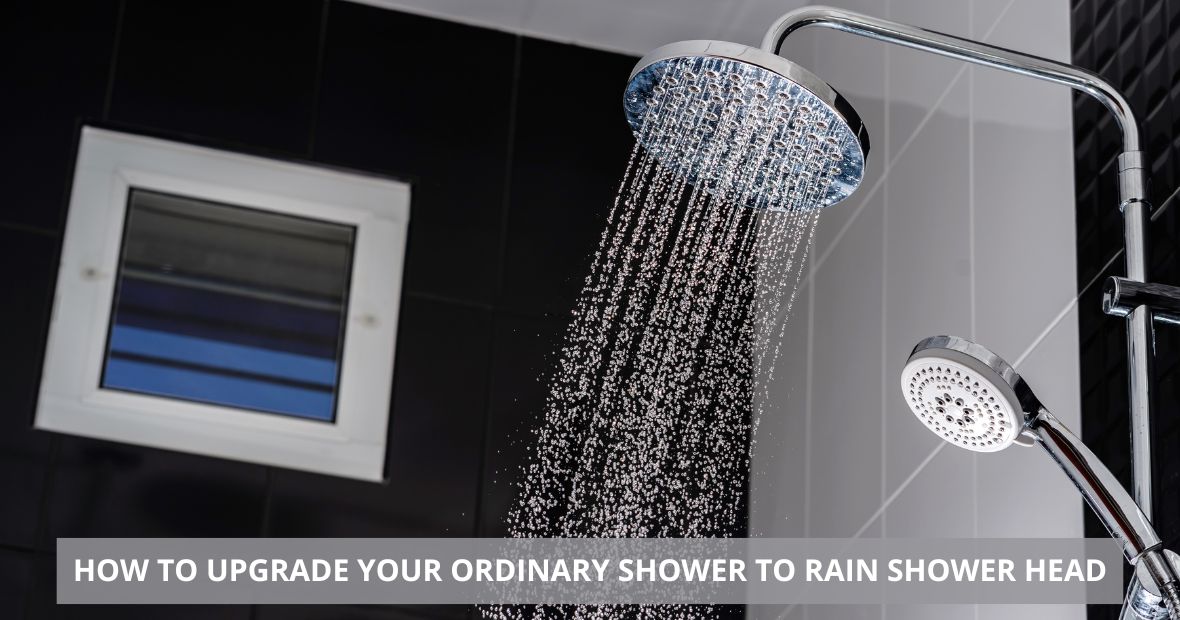
Installing a rain shower in the bathroom offers numerous benefits that enhance the showering experience. The gentle and widespread water flow replicates the soothing sensation of natural rainfall, promoting relaxation and stress relief. The larger showerhead coverage provides better body coverage, allowing for a more immersive shower experience.
Rain showers can add a touch of luxury and elegance to the bathroom decor, elevating its ambience. Additionally, some rain showerheads are designed with water-saving features, promoting eco-friendly usage.
Overall, a rain shower creates a spa-like atmosphere, making daily showers more enjoyable, refreshing, and invigorating.
So, if you are planning to upgrade your regular shower to a rain shower head understand your options and select the most appropriate showerhead.
Types of Rain Showers
You have several options for rain shower designs for your bathroom. For example, round rain showers, square rain showers, and oval-shaped showers. But generally, the meaningful difference would be the mounting and shower functions. So, here are the four different types of rain showers:
- Large Ceiling Mounted Rain Showers: These are rain showers with a diameter of 300 cm or more. These showers are safer when mounted on the ceiling rather than on a wall-mounted shower arm.
When in use these showers tend to gain a lot of weight which can bend the long shower arm holding the showerhead.
- Wall-Mounted Rain Showers: Any rain showerhead below 300 cm can be mounted on a shower arm extending from the bathroom wall.
- Air Rain Showers: These are rain showers with a feature to aerate the water flow before releasing. Most modern rain showers have this feature, the mixing of air creates smaller droplets that feel closer to a scintillating natural rain.
These rain showers also consume less water than regular rain showers.
- Multi-flow Rain Showers: Premium rain showers and modern rain showers often feature options for different water flows. Cascade flow is a common variation featured in most premium rain showers. Thermostatic showers also feature variable rain shower options, including rejuvenating steam showers.
How to Upgrade to Rain Shower?
Upgrading your rain shower would require certain changes to the shower setup in your bathroom. Also, before you can go on changing the shower, you need to consider the space available, and other factors of your bathroom.
- Check the Available Space for a Shower
Available space for rain shower installation is the first important consideration. The minimum space you need is 4x4 feet. The second most important factor is the plumbing.
- Plumbing Changes
If your current plumbing only supports a wall-mounted shower setup, you will need to change the plumbing to install a large rain shower. If you have adequate space for a large rain shower, you can upgrade the plumbing to the ceiling and accommodate the large rain showerhead.
- Select the Appropriate Rain Shower
You can select the most appropriate rain showerhead from the collection based on the first two factors – bathroom size and plumbing. Rain showers with a diameter of 300cm or above should have a ceiling-mounted installation.
Smaller rain showers, i.e., 200cm, 150cm diameter, can be mounted with a shower arm attached to the wall. Also, you can check if the shower offers aerated water flow, for more economic performance.
- Change Shower Arm
Although rain showers can be installed on wall-mounted shower arms they cannot be installed on the arm for regular showers. So, when buying a new rain showerhead, you will also need to buy an appropriate shower arm.
- Install Shower
Remove the old showerhead and arm. Wrap the plumber's tape around the threads of the new shower arm to create a secure seal. Screw the new arm into the shower pipe outlet. Then, attach the showerhead to the arm, tightening it by hand. Test for leaks and adjust the angle of the showerhead as needed.
- Change Mixer Diverter Set If Needed
If you are upgrading the plumbing for the new rain shower, you can also upgrade the mixer diverter for the shower with a new concealed diverter. Concealed diverters not only look elegant but also make your bathroom safer with a minimalistic design.
Upgrading the mixer diverter will also allow you to install a handheld shower along with the rain shower.
- Install Handheld Shower
Install the appropriate handheld shower if you want. These showers also have single and multi-flow variations.
- Install Allied Fittings
While your rain shower setup is complete the shower cubical may not be. Install the accessories like soap dispensers, towel racks, shower curtains, etc. to complete your modern rain shower bathroom.
Also Read: How to Pick the Best Bathroom Showers for You?
Maintaining Rain Showers
When you buy the new rain showers don’t miss to check the warranty and shower care instructions. Johnson Bathrooms recommends clearing the shower of limescale deposits and other impurities every month for optimal shower performance.
Avoid using any harsh chemicals or acids to clean the showerhead. Only use branded limescale remover for household usage. You can unscrew the showerhead from the mounting arm and fill a bucket or a tub with enough water and the limescale solution to soak the showerhead completely.
Let it rest for a few minutes and then remove the showerhead from the solution. Wash the shower with clean water and screw it back to the mounting arm. White vinegar and baking soda mixture is one of the best homemade solutions for limescale removal from bathroom appliances.
Rain showers are usually costlier than regular showerheads. So, do check the rain shower price while budgeting your upgrade. You can also contact experts at Johnson Bathrooms for any suggestions and to clear your doubts about shower selection and care before you buy.
FAQs
1. How to install a rain shower with a handheld shower?
Ans. You need to install a 3-in-1 diverter mixer faucet to operate a handheld shower with a rain shower setup. A 3-in-1 diverter mixer setup is available in two configurations – concealed diverter or wall-mounted diverter.
2. How to clean rain shower heads?
Ans. To clean rain shower heads, fill a plastic bag with vinegar or a lime-scale removal solution. Secure the bag over the showerhead, ensuring it's fully submerged in the liquid. Leave it to soak for a few hours or overnight. Remove the bag, scrub the showerhead with a brush to remove any residue, and run water through it to flush out debris.
3. Do rain shower heads use more water?
Ans. Rain showerheads typically use more water per minute compared to standard showerheads. The larger surface area of the rain showerhead disperses water over a wider area, resulting in a luxurious and gentle flow similar to rainfall. While this can provide a more relaxing shower experience, it may lead to increased water consumption if not used responsibly. You can use air rain showerheads for a water-saving rain shower.