
Why are Health Faucets Becoming a Universal Trend for Modern Bathrooms?

For a while during the last few decades of brain drain, European water closets, and western methods of hygiene had become a growing trend and a thing of prestige. However, as the awareness grew around what works and what doesn’t, we received technologies which were closer to home.
Toilet paper was one of the cultural imports we received from the west. While it is still growing in popularity, we have modified it with our values of hygiene, i.e., health faucets and jet spray.
Health faucets and water jet spray offer multiple benefits over toilet paper. However, using both is even better.
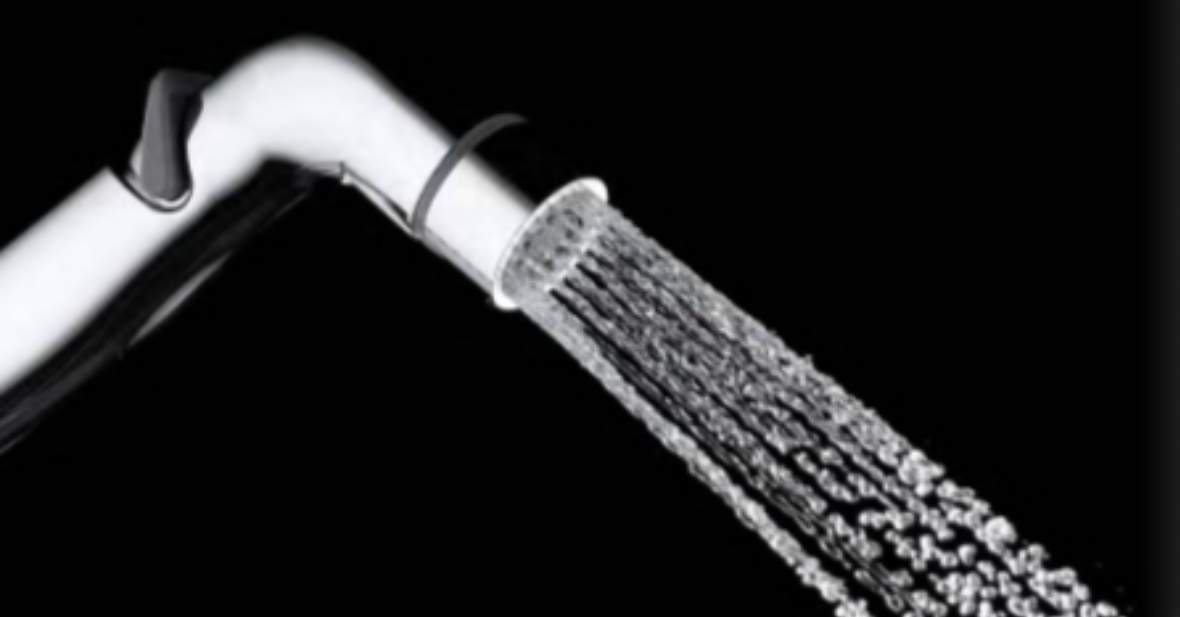
Hygienic
Toilet paper has been proven to be ineffective in properly maintaining hygiene. Using water has been found to perform better cleaning. Health faucets’ pressure spray does a better job at eliminating the presence of faecal matter. You can also use the jet spray as an alternative.
Also, using a health faucet or jet spray helps you avoid contact with the contamination.
Easy to Use
Health faucets are simple to use and avoid any real contact with the body. Thus, also remains safe. The flexible connecting pipe allows for easy movements of the faucet. The best part is that you can use it with both EWC and Indian-style water closets.
More Comfortable
With pressure control, health faucets are more comfortable to use than toilet paper. While toilet paper can cause skin rashes and scratch marks, health faucets work comfortably even multiple times a day.
Low On Maintenance
With proper usage and regular maintenance, your health faucets can last a lifetime. To be safe you can choose the chrome plated brass health faucets which can last longer even with great variance in water temperature.
Eco Friendly
Health faucets are long-term installations and do not need regular replacements. Thus, they are a more eco-friendly solution than other materials, especially toilet paper.
Easy to Install & Maintain
Installing a health faucet is also easy. All you need is a one-way or two-way angle valve and attach the faucet to the outlet. Maintaining the faucets in pristine condition is also quite simple.
You can fill a mug with white vinegar solution and let the faucet nozzle rest in it for a while. Remove the faucet from the solution once the water marks have disappeared.
Factors to Consider While Selecting Health Faucet for Your Toilet
You should look for the following factors while selecting an ideal faucet for your bathroom:
- Pipe Length: Usual length is 1 to 1.5 meters
- Nozzle Pressure & Size: You can choose from dual-mode or single-mode faucets based on the water pressure in your bathroom.
- Pipe Flexibility: Pay attention to the flexibility of the pipe. Rubber pipes can become stiff during winter.
- Type and quality of the piston: Stainless steel and CP brass health faucets are some of the best quality faucets. If you have good water pressure in your bath, you can choose healthy faucets with dual flow modes.
Health faucets have been growing in popularity across the world, due to their ease of use and cleanliness. Johnson Bathrooms offers a health faucet collection with a range of SS and Brass faucets with long functional lives.
FAQs:
- How does a health faucet work?
Health faucets are usually attached to the plumbing outlet with an angle valve. You can keep the angle valve open if the faucet is in regular use. Do take care that in high rise buildings water pressure can damage the water hose. So, keep the valve shut when the faucet is not in use. Turning the angle valve on will not release the water from the faucet, but only ensures that the faucet will release water when the button on the nozzle is pressed.
- Why is it called a health faucet?
A health faucet is called so because its primary function is to help maintain personal hygiene. Health faucets are an important part of modern sanitary hygiene in most of the world.
- How to Maintain Health Faucets?
Health faucets are useful for hygiene and sanitation in your bathroom. While using the faucet you should take care of the water pressure in the plumbing.