
What to Look for When Buying Bathroom Taps?
Taps can be a focal point in the bathroom, drawing the eye and adding visual interest. Bathroom taps are important in a bathroom because they allow users to control the flow and temperature of water for various activities, such as washing hands, brushing teeth, and taking a bath or shower.
Taps and faucets are the most active fittings in a bathroom. Properly functioning and well-maintained taps can improve the convenience and hygiene of a bathroom, while malfunctioning or faulty taps can lead to water wastage, higher bills, and potential safety hazards.
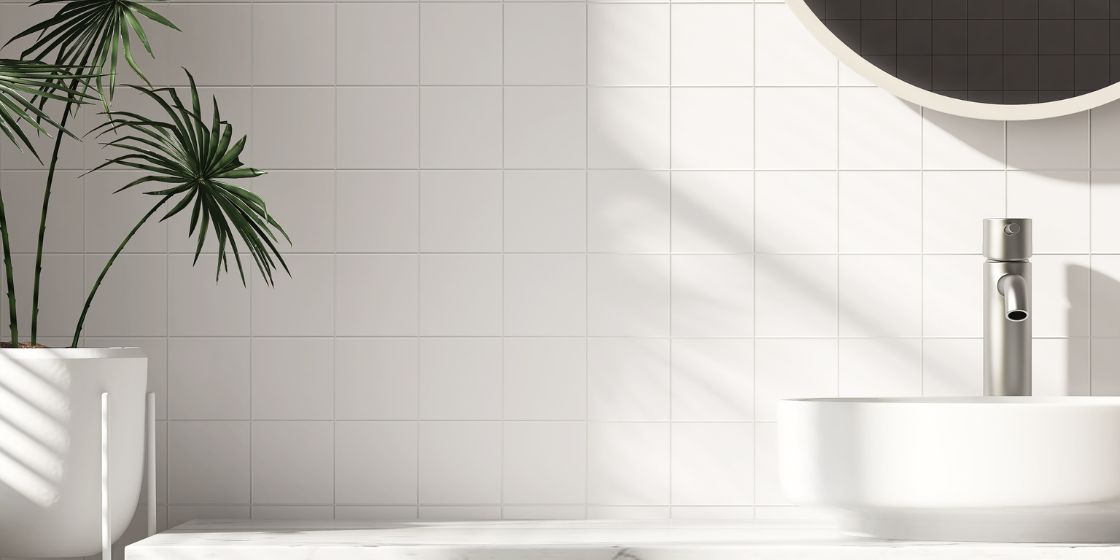
There are a wide variety of taps available in different materials, shapes, and finishes, so they can be chosen to complement or contrast with other bathroom fixtures and fittings. You should ensure that the type and design you choose for your bathroom taps would be easy to use for everyone in your family.
When choosing bathroom water taps, there are several factors to consider, including:
Style and Design
Choose a tap style that complements the overall design of your bathroom and fits with your personal preferences. Bathroom taps come in a wide range of styles and designs, which can be broadly categorised into the following types:
Traditional Bathroom Tap
These taps feature classic designs, such as crosshead handles and detailing, that are suited to more traditional bathroom designs. Traditional bathroom faucets are a popular choice for those who want to create a classic and elegant look in their bathroom. These taps often feature vintage-inspired designs and materials, such as chrome polished, which add a touch of luxury and sophistication to the space.
Modern Bathroom Taps
Modern taps tend to have clean lines and contemporary shapes, with minimalist design features and simple shapes. Modern bathroom taps are a popular choice for those who want to create a contemporary and minimalist look in their bathroom. These taps often feature sleek and simple designs, with clean lines and smooth surfaces that create a streamlined and uncluttered look.
Designer Bathroom Taps
Designer taps are often unique and eye-catching, with unusual shapes, intricate detailing, and premium finishes that make them a focal point of the bathroom. These taps often feature unusual shapes, intricate details, and premium finishes that make them a focal point of the bathroom.
These taps and faucets often imbibe a core concept, such as minimalistic design, traditional rustic appearance, or simply futuristic concept.
Sensor (Touchless) Bathroom Faucets in India
Sensor taps integrate technology, such as touchless controls to add a high-tech and futuristic element to the design. These faucets would take a bare minimum space in your bathroom and help you save water as well. However, the lack of manual controls may confuse some who are used to the old ways.
Touchless bathroom water taps can work well in a variety of styles, from contemporary and high-end to eclectic and bohemian-inspired designs. These taps are usually more expensive than conventional taps. However, if public hygiene and water savings are on your priority list these faucets should be on your procurement tab.
2-in-1 & 3-in-1 Mixer Taps
Mixer taps with multiple flow controls are popular taps for small bathrooms installing shower heads along with the tap. 2-in-1 and 3-in-1 mixer taps blend hot and cold water to provide the desired temperature and let you control the water flow towards the desired outlet, i.e., spout or shower.
They typically have multiple levers to control both the flow of hot and cold water separately. There is a separate lever to control the water outlet. You can divert the flow towards the bucket spout or overhead and handheld showers.
Mixer taps are a popular choice for modern bathrooms due to their simplicity of use and the rising popularity of overhead showers.
Also Read: 5 Things to Consider While Choosing the Mixer Tap for Kitchen Sink
Other Factors to Consider for Bathroom Taps
When choosing a tap style and design, consider the overall look and feel of your bathroom, as well as your personal preferences and budget. Selecting a tap that complements the other fixtures and fittings in the bathroom can help to create a cohesive and harmonious design.
Material
Bathroom taps are available in a variety of materials, such as brass, stainless steel, chrome, and nickel. Consider the durability and ease of maintenance of the material. The internal layer of the faucets (esp. mixer taps) should have brass or ceramic coating. The coating is important because it ensures the safety of the user as well long life of the tap.
Functionality
Ensure that the taps are easy to use for the family members, especially the very young and the very senior users. Few designs of faucets take up more space and can be more complex to operate than others.
If you have a smaller bathroom installing large wall-mounted mixer taps often does less to help. Concealed diverters and mixers could be a better choice for smaller bathrooms, even from the point of view of safety.
Durability
You should take extra care while choosing your mixer faucets. Hot water flow can damage the inner workings of the taps unless the cartridge is made with high-quality ceramic or brass.
Installation
Make sure that the taps are compatible with your existing plumbing. Installation should take care of the maintenance needs and should avoid common problems like leakage.
Install Bathroom Taps Based on User Preferences
Johnson Bathrooms have been serving Indian consumers for about two decades and the diversity of user choices has been always evident. Such choices and comfort levels may also vary within the households, especially with a large family.
Public or commercial area installations have different requirements depending on the footfall and user comfort. Installing the right kind of bathroom taps will not only keep the place functional but also simplify maintenance.
FAQs
My Bathroom tap has started to drip. What should I do?
You should turn off the water supply to the tap and then either replace the washer or the entire tap mechanism or contact a plumber to fix the issue for you. Leaving a dripping tap unattended can waste water and potentially create safety hazards in the bathroom.
What is limescale and how do I remove it?
Limescale is a hard, white crusty deposit that forms on surfaces that come into regular contact with hard water. It is caused by the build-up of calcium and magnesium minerals in the water.
To remove limescale, you can try using a mixture of vinegar and water, or a specialist limescale remover, following the product instructions carefully. You can also prevent limescale build-up by wiping down taps and showerheads after use, and by regularly descaling your appliances and pipes.
How do I care for my bathroom taps and showering products and what are your cleaning recommendations?
Wipe your taps and showering products regularly with a damp cloth to prevent the build-up of soap scum and limescale. Avoid abrasive cleaners, bleach, or harsh chemicals.
Regularly descale your shower head and taps to prevent limescale build-up. Fix leaks promptly. If you notice any leaks or dripping, have them fixed promptly to prevent water damage and wasting water.