
Know Your Shower - Overhead Shower or Hand Shower for Your Bathroom

The overhead shower has become an icon of modern bathrooms. Somehow, without the overhead shower, your bathroom seems incomplete, and if you have got used to the daily showers, even your day.
So, here’s everything you should know about the different kinds of showers you can use in your bathroom.
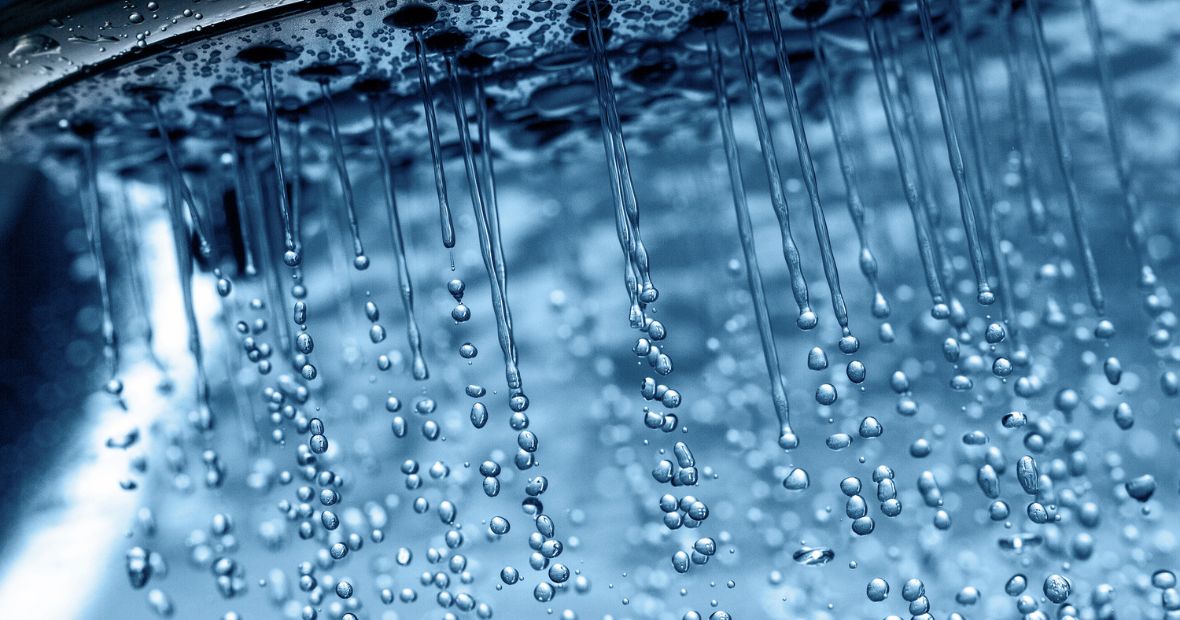
Overhead Showers
Overhead showers are the most common in the modern bathroom. Whether you have a small bathroom or a big one, a small shower head can fit any size. You can choose from large shower heads with 115 mm diameter to small showerheads of 70mm.
Take care while selecting the ideal shower arm for the installation. You will need to consider the space in the bathroom and shower head size while selecting the arm.
Rain Showers
Rain showers are perhaps one of the best lifestyle inventions of the century if not the best. Johnson’s Elite and optima range of air rain showers use aerated water to build pressure and create a rain effect with the showerhead.
Air mix technology compensates for the low-pressure supply as well and gives you the perfect rain effect within your bathroom. While installing, take care of the size of the showerhead. Large rain shower heads should ideally hang on the ceiling rather than the wall.
Hand Shower
A hand shower is an essential addon if you are modernising your bathroom with shower heads. While an overhead shower is great for relaxation, it may not offer as great flexibility as a hand shower if you want to reach a specific area of your body while bathing.
Hand showers fill the gap and provide angles that overhead showers can’t cover. Plus, you can hold them for better coverage.
Shower Arms
Shower arms come in a variety of lengths and usually have two types – wall-mounted and ceiling-hung. Wall-mounted shower arms are the more common ones as they can work with most overhead showers.
However, if you are installing a rain showerhead with a diameter of 200mm or more, you may want to use a ceiling mount rather than the wall. These showerheads may become too heavy for the long arm to handle.
Ceiling mounts are especially recommended for Johnson Batrhooms Elite range of rain showerheads.
Maintaining Your Shower
Shower maintenance is usually for the shower to work and look as new as possible. If you are using a shower daily, you should try fortnightly or monthly maintenance to keep the showerhead as good as new.
The simplest method of reinvigorating your showerhead is to soak it in white vinegar for 30 minutes to 1.5 hrs. If you are creating the white vinegar mix using concentrated powder mix it with at least 3 times water.
Remove the showerhead after all water stains have disappeared from its surface, gently wash with running water and reattach it to the shower arm. This should bring the showerhead back to life as new.
FAQs:
1. How much does a rainfall shower cost?
Rainfall showerheads may cost anywhere from Rs 3000 to Rs 7000 and more. The price of shower heads will vary based on multiple factors, including but not limited to size, design, technology and even your location.
2. Can you install a rain shower head in the ceiling?
Yes, in fact, the larger rain shower heads should be installed from the ceiling rather than the wall. This is due to their immense weight while in use. Ceiling joints will be more suitable to handle the excess weight of these showers.
3. What are the pros and cons of a rain shower head?
You have several pros of a rain showerhead. The best advantages include the rain-like bathing experience which relaxes and detoxifies your body and mind. There are two major disadvantages of rain showers. One, they need a much larger space for you to properly use them than smaller overhead showers. And two, you may need to change the plumbing to handle a little extra weight to install a large rain showerhead.
4. How much does it cost to remove a bathtub and install a shower?
Your cost will depend on the kind of installation you have for the bathtub. Removing and replacing a freestanding bathtub with a shower is quite easy. However, if your bathtub is permanently installed on the floor you may need to renovate or at least repair your bathroom section after removing the tub.