
How to Keep Your Sanitaryware Looking New for Years?
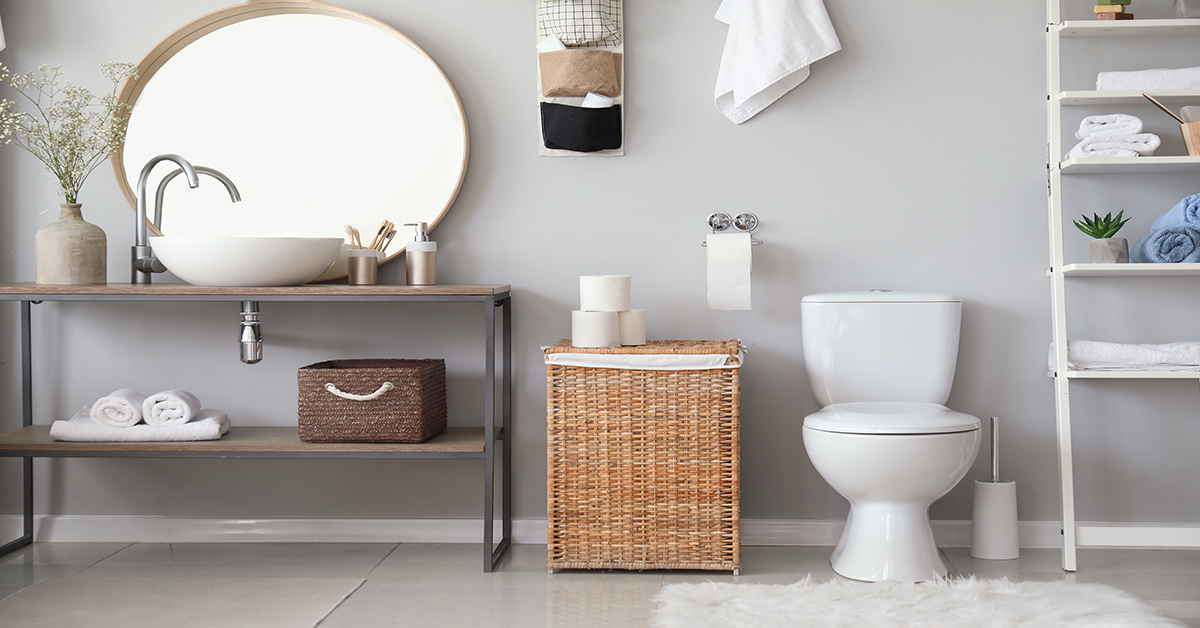
There was a time when people used to judge the financial status and attitude of a person from the condition of their shoes. Safe to say that the state of the bathroom can pretty much do the same about your home.
The best sanitaryware manufacturers ensure to give their ceramic products layers of protection and an almost nonporous smooth finish. However, like any surface regular use of water, soap and other impurities can hide or damage the finish of these fittings.
We have a sizable selection of contemporary sanitaryware at Johnsons Bathroom that not only looks chic but is also simple to clean. We have the best options whether you're looking for toilet fittings for a traditional or modern bathroom.
- Washbasin
The wash basin is one of the most used sanitaryware in the bathroom. Washbasins have three parts which you should take care of while cleaning – the mixer faucet, the ceramic sink, and the waste coupling.
While cleaning the sink you should ensure that you can avoid the same chemical connecting with the waste coupling or the faucet. The majority of ceramic toilet cleaners are too strong for metallic and chrome polish on the faucet and waste coupling, and it will damage their surface finish.
Take care of the following while cleaning the bathroom wash basin:
- Avoid using abrasive cleaners since they might scratch the sink's surface and cause damage.
- You can use any household cleaner for routine cleaning.
- Use a mixture of hydrogen peroxide and bicarbonate to remove tough stains
- You can use normal bathroom cleaning liquids to remove stains
- Wash the sink properly to remove any chemical residue
- Wipe the excess water with a microfibre cloth
Ceramic waste coupling can be treated the same way as the sink, but if you have a metallic or PVC waste coupling you should use the steps in the next head.
- Make Your Bathroom Faucets Shine
The best way to keep your bathroom faucets looking shiny and new is to wipe them dry with a microfibre cloth after use every day. This will keep the water-related stains away from the faucets.
However, if your faucet has already accumulated limescale use the methods given below.
- Use a mild DIY bathroom cleaner or try cleaning it with simple water or use Johnson’s Endura Grace faucet cleaner
- Test it first in a discreet location. Faucets frequently accumulate deposits on the handles and the spout area, which is especially prone to limescale build-up due to the aerators that create foam flow.
- Mix vinegar and water in a small cup at a 1:1 ratio
- Use the solution to dampen an old toothbrush, then use the toothbrush to scrape away any white deposits from the handles and spouts of your chrome faucets.
- They'll change just like new.
- How to Clean the Water Closet & Seat?
Use an effective commercial toilet cleaner with a brush on the inside of this sanitaryware. Flush properly after a thorough brushing on the inside surface. Make sure that the brush is soft enough to not damage the enamel surface of the commode.
For cleaning and disinfecting the toilet seat and exterior of the closet follow the process below:
- Spray some antibacterial soap on a damp sponge.
- Use it to clean the lid and seat of the toilet.
- Wipe the external surfaces of the toilet bowl once more after rinsing the sponge.
- This aids in removing any leftovers. You can use a dry, soft towel to clean the toilet's exterior if you'd like.
- Cleaning the Showers & Spouts
Your bathroom may feel neglected and dreary if the taps are dirty. The taps become white due to exposure to hard water, soapy suds, shampoos, and body oils. When shampoos and soaps are used with hard water, the minerals in the water mix to form a hazy scum on faucets and showerheads.
It gets harder to remove the scum from the tap the longer it is there. Cleaning your taps and other chrome-plated bathroom fixtures regularly will assist to prevent build-up and keep your bathroom looking nice.
You can use any commercially available liquid limescale remover or descaler liquid to loosen up and remove hard scales from shower heads and spouts.
- Cleaning Difficult to Access Areas
Clear the area surrounding the sink faucet of the toothbrush holder, soap container and anything else on the deck. Make use of a moist sponge or microfiber cloth to remove the unattractive soap residue from the tap area.
Around the faucet, soap scum, mildew, and filth frequently gather. You can use an old toothbrush to access this area easily and clean any dirt and grease accumulating there. Use limescale remover spray if needed.
Remove the soap residue from the taps after each use or once every two to three days to maintain your bathroom fixtures clean.
- Removing Difficult Stains
You can use a bathroom cleaning solution and an old toothbrush to put and scrub the tough stains from the sanitaryware surface. Leave the solution to sit for a little while on the surface before wiping it off and rinsing it with clean water.
Use the toothbrush to scrub, then rinse with water. Avoid using hard acidic or base chemicals to clean the sanitaryware and fittings. You can also consult the sanitaryware supplier on the regular maintenance of the equipment.
Conclusion
Regular cleaning and wiping your sanitaryware and faucets dry will keep them shining for a long period. If you have to remove stains, make sure you use the appropriate cleaners. Avoid using abrasive and acid-based cleansers since they will harm the sanitaryware surface permanently.
Only flush bleach down the toilet, but when you put it in the bowl, leave the seat up until it is removed by the flush. Toilet seats turn yellow when they are left down with bleach in the pan. It's crucial to thoroughly inspect everything throughout your weekly clean-up to remove any limescale and mildew. Maintaining your bathroom's cleanliness is simple if you do this once a week.
FAQs:
Which material is used to make sanitary ware?
Sanitaryware is usually made of clay, quartz, and feldspar which have low iron oxide content. This allows for a lighter white colour finish of the ceramic. Sometimes, different colour pigments can be mixed to provide different shades like, pink, blue, or black.
What are the different types of sanitary fittings?
Sanitary fittings include sanitaryware such as water closets, flush tanks, washbasins, etc. and the fittings and fixtures such as sink mixer faucets, health faucets and showers.
What is the difference between plumbing and sanitary?
Plumbing is the network of pipelines supplying water around the house or the room. Plumbing will deal with the proper usage of pipelines and fittings to ensure a safe water supply wherever it is required in the house. Whereas sanitaryware refers to the items you will need to perform your daily hygiene, such as the cistern, wash basin, bathtub, etc.