
5 Essentials of A Modular Kitchen Design for Modern Home
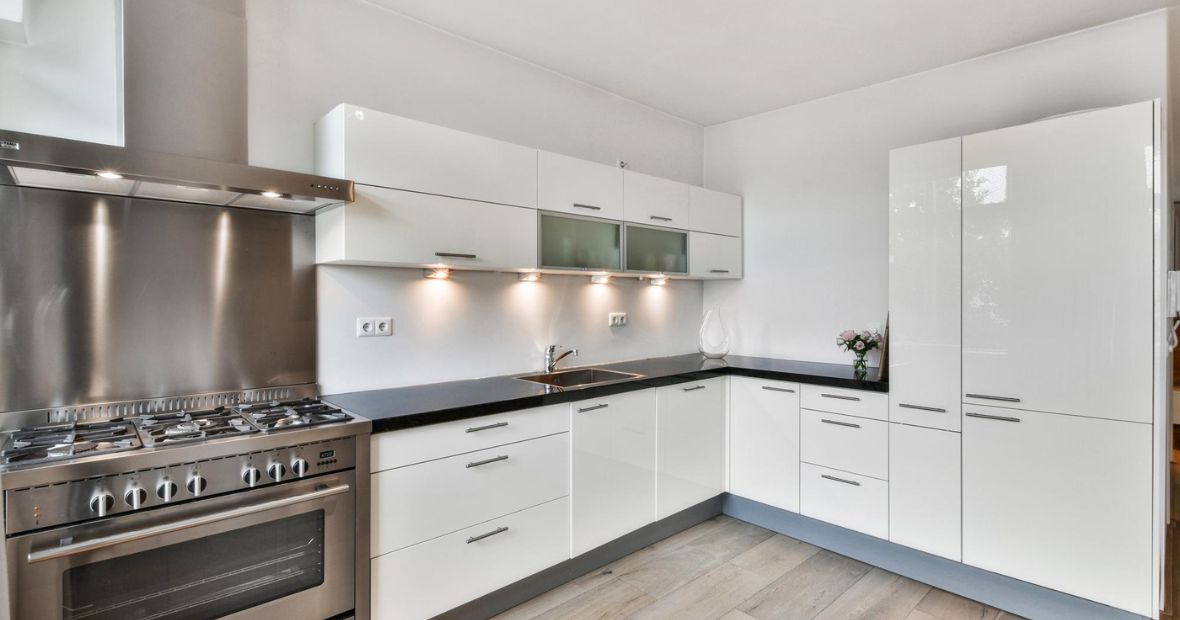
In the fast-paced world, we live in, the kitchen has evolved from being merely a space for cooking to the heart of the home. The open-style kitchen of a modern home is a place for socializing and creating lasting memories. Often the popularized version of a modular kitchen revolves around cabinets and chimneys.
Though cabinets are indeed the most visible component in a modular kitchen, other elements like kitchen sinks, faucets, and fittings also play an important role. From space optimization to ergonomic layouts, the five essential aspects redefine the way we experience the art of cooking and living.
But first, let’s clear the basics.
What is a Modular Kitchen?
A modular kitchen design is a modern and highly efficient approach to kitchen planning that involves creating individual components or modules that can be easily assembled, disassembled, and customized.
Instead of building a kitchen as a single unit, modular kitchens are designed as a series of standardized units, such as cabinets, drawers, shelves, and countertops, that can be combined in various configurations to fit the available space and the user's specific requirements.
Why Build a Modular Kitchen?
A modular kitchen offers several benefits over the traditional design. These benefits include but may not be limited to the following:
- Organized and Clutter-Free: With efficient storage solutions, modular kitchens help keep the kitchen space organized and clutter-free. This makes it easier to access items and enhances the overall cooking experience.
- Efficient Space Utilisation: Modular kitchens maximize the available space with various pre-fabricated modules that utilize every nook and corner of the kitchen.
- Aesthetics and Design: Modular kitchens can be customized to match different interior styles and enhance the overall aesthetic appeal of the space.
- Enhanced Functionality: Modern modular kitchens are designed with holistic planning ensuring essential kitchen elements, such as the kitchen sinks, stove, and refrigerator, are positioned to create a functional work triangle.
- Easy Installation and Maintenance: The pre-fabricated nature of modular kitchens makes them relatively easy to install, clean, and maintain. You can quickly replace the damaged parts without disturbing the entire kitchen setup.
- Durability: High-quality materials, such as marine plywood and moisture-resistant laminates, ensure the durability and longevity of the kitchen units.
- Upgradability and Flexibility: Modular kitchens offer the advantage of being easily upgradable and adaptable to changing needs.
- Customization: One of the most significant advantages of modular kitchens is the high level of customization they offer. You can choose from a wide range of modular units, finishes, colors, and materials to create a kitchen that perfectly suits your preferences, lifestyle, and the overall interior design of your home.
Modular Kitchen Essentials
The modular kitchen has become a common household name, but the concept often remains diminished and limited to the cabinets. While cabinet design is the most visible feature of a modular kitchen, it is only one of the many essentials.
Also, cabinets are often not the centerpiece of the design for a modular kitchen. Here’s how your idea of a modular kitchen should take shape:
Space Optimisation
Assuming all electronics and plumbing have been placed, you can get straight to maximizing the space utility. The next three items on the list are the trinity of a modular kitchen and should be accessible within a few steps of reach from each other.
Much of your work here will depend on the layout of your kitchen:
- One Wall Kitchen: Everything is spread out in a single file with a modular kitchen sink on one end and refrigerator on the other.
- L L-shaped kitchen: The longer hand keeps the cooktop and one of the other elements, i.e., the kitchen sink or refrigerator.
- U-shaped kitchen: The middle bar holds the cooktop.
- G Shaped Kitchen: Any of the longer arms can hold the cooktop.
- Galley Kitchen: One of the counters will hold the cooktop with the kitchen sink mounted on the other.
Placing the Cooktop & Chimney
Cooktop and chimney go hand in hand and the chimney’s position will define the following two things:
- Division of cabinet space
- Special backsplash needs
You may want to put additional backsplash tiles behind the cooktop to cover the space up to the chimney. This will make keeping the space clean and stain-free easy.
Modern Kitchen Sink
After the cooktop, the kitchen sink is the most important element of the kitchen. It is the second most used item in the kitchen so selecting the best kitchen sink for your home is important. Consider factors like sink size, depth, material, drain board, and waste coupling while buying a modern kitchen sink.
You can explore the modular Kitchen sinks at Johnson Bathrooms which are available in multiple sizes and types to fit modern kitchen needs:
- Rectangular Kitchen Sink with a depth of 9 inches and three sizes of 16-inch, 19-inch and 22-inch length.
- 17 Inch Rectangular Sink with drainboard
- 17 Inch Rectangular Sink with double bowl
- 22 Inch Kitchen Sink with rounded corners
- 16 Inch Kitchen Sink with drainboard
- 16 Inch Kitchen Sink with double bowl
You can choose the stainless steel sinks in different finishes including stain black.
Faucets & Fittings
Plumbing will define your choice of kitchen sink faucet to some extent. For instance, whether you need a wall-mounted faucet or a deck-mounted one. Or, selecting between a single-hole faucet or double hole.
At Johnson Bathrooms you can find all kinds of designs for kitchen sink mixers from single lever sink mixer cocks to dual lever mixers. Choose the one most suitable for your kitchen’s aesthetics and budget.
Backsplash
Finally, it’s time to pay attention to the décor and safety of your kitchen. The kitchen backsplash often bears most of the brunt of any cooking spillovers, whether by accident or design. That is why the backsplash needs a surface that can bear the spills without getting permanently stained. Backsplash tiles offer the best solution here with elegant design choices and a lifetime maintenance-free build.
Plus, after the cabinets, the backsplash is the most visible element of the kitchen. So, don’t forget to make it unique.
Cabinets
Once you have set up the cooktop, sink, and chimney, you can design the cabinet space. Under the counter is often the most used and occupied space, while overhead cabinets often carry the less regularly used items.
Also, keep the height of overhead cabinets low enough to be accessible for the kitchen leader in the house.
Get Assistance with Selecting Modular Kitchen Accessories
In the era of the internet, information is one of the cheapest commodities. However, if you feel overwhelmed with the choices for a modular kitchen or simply want to avoid missing anything, you can consult with the experts at Johnson Bathrooms.
FAQs
1. Which sink is best for the kitchen?
Ans. The best kitchen sink for your kitchen will be one which is large enough to offer adequate and safe utility in the kitchen, and small enough to fit within the provided space. Also, based on your comfort and preference you can use a double bowl or drainboard sink. For material, stainless steel sinks are the most durable and maintenance-free.
2. Which type of sink is best for an Indian kitchen?
Ans. Stainless steel sinks are considered best for the Indian kitchen as the sink requires nominal maintenance and cleaning is easy. Stainless steel is resistant to the majority of household chemicals and remains stain-free even after repeated exposure to oils and various cooking agents.
3. What are the 3 types of sinks we use in the kitchen?
Ans. The three types of sinks available for Indian kitchens are single bowl, double bowl, and bowl with drainboard sinks. You can explore different sizes and shapes within these three types of kitchen sinks.